
Categories
Home Improvements, Home Maintenance, Home OrganizationPublished November 9, 2026
Before Winter Arrives: 7 Things Every Homeowner Should Check This November

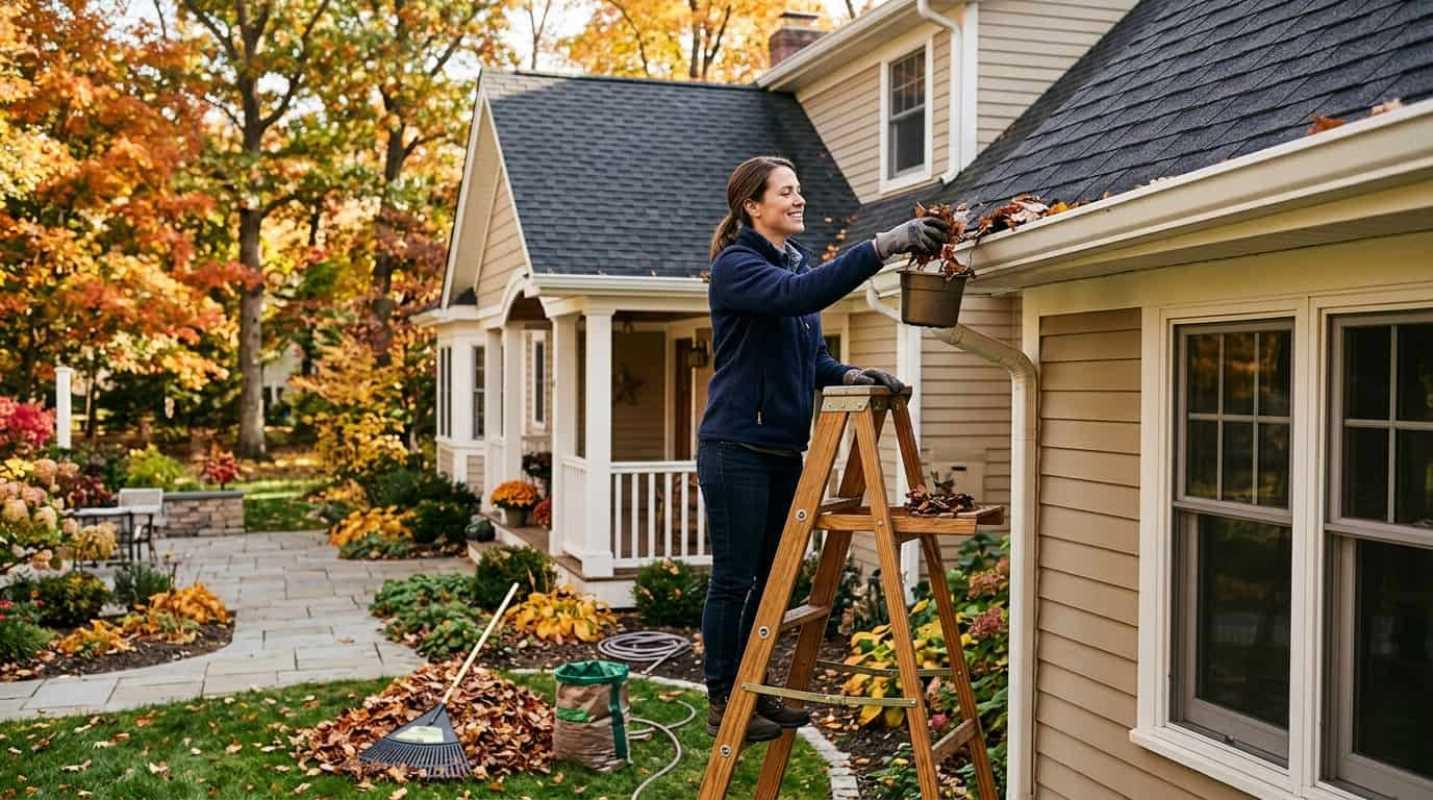
November is the perfect time to give your home a little extra attention before winter settles in. As temperatures drop and the days get shorter, a few simple maintenance tasks can help prevent unexpected repairs, improve energy efficiency, and keep your home comfortable throughout the colder months.
Whether you own a home in St. Louis, the Metro East, Jefferson City, Columbia, or the Lake of the Ozarks, preparing your property for winter is one of the smartest ways to protect your investment. The good news? You don't need a major renovation or an expensive project list to make a difference. A little preventative maintenance now can save you time, money, and frustration later.
Here are seven things worth checking off your homeowner to-do list this November.
1. Give Your Heating System Some Attention
Your heating system is about to become one of the hardest-working parts of your home. Before temperatures consistently drop, replace your furnace filter, check your thermostat, and make sure your heating system is operating properly.
If you haven't scheduled your annual HVAC maintenance, now is a good time. A professional inspection can help identify worn components, airflow issues, or other concerns before you're relying on your furnace every day.
Also, take a few minutes to make sure heating vents and returns aren't blocked by furniture, rugs, or household items. Proper airflow helps your system operate more efficiently.
2. Check Your Gutters and Downspouts
Fall leaves are beautiful, but they can create problems when they collect in your gutters. Clogged gutters prevent water from draining properly, potentially allowing moisture to collect near your roofline, siding, and foundation.
Clear out leaves and debris, then check that downspouts direct water away from your home's foundation. Pay attention to loose brackets, sagging sections, or signs of damage.
This is especially important heading into winter, when standing water can freeze and contribute to ice buildup and additional drainage problems.
3. Protect Your Pipes Before Freezing Temperatures Arrive
Frozen pipes are one of the more expensive surprises homeowners can face during winter. Pipes located in unheated garages, crawl spaces, basements, and exterior walls may be particularly vulnerable.
Consider adding insulation to exposed pipes, sealing gaps where cold air enters, and disconnecting outdoor hoses. If you have exterior faucets, make sure they are properly winterized.
During extremely cold weather, keeping your home's temperature consistent and opening cabinet doors beneath sinks along exterior walls can help warm air circulate around vulnerable plumbing.
Knowing where your main water shutoff valve is located is also important. If a pipe ever bursts, being able to turn off the water quickly can help minimize damage.
4. Look for Drafts Around Windows and Doors
If certain rooms always seem colder than others, your windows and doors may be allowing heated air to escape.
Check weatherstripping around exterior doors, inspect caulking around windows, and look for visible gaps where outside air might enter. Replacing worn weatherstripping or sealing small openings can make a noticeable difference in comfort.
You can also consider heavier curtains, draft stoppers, or other simple improvements to help maintain indoor temperatures.
These smaller updates may not seem significant individually, but together they can make your home more comfortable and help reduce unnecessary heating costs.
5. Inspect Your Roof and Exterior
Your roof and exterior take a beating throughout the year, and winter weather can make existing problems worse.
Look for missing or damaged shingles, loose flashing, deteriorating caulk, and areas where water may be entering. Check siding for visible damage and inspect the foundation for new cracks or signs of moisture.
If you notice something concerning, consider having a qualified professional evaluate it before winter weather makes repairs more difficult.
Remember, a small issue discovered in November can be much easier to address than a larger problem discovered after a winter storm.
6. Test Your Safety Devices
As families spend more time indoors with windows closed and heating systems running, home safety becomes especially important.
Test smoke detectors and carbon monoxide detectors, replace batteries as needed, and check the expiration dates on your devices. Make sure detectors are installed in appropriate locations throughout your home.
If you have a fireplace or wood-burning stove, have it inspected and cleaned as recommended by a qualified professional. Never use an oven or outdoor heating equipment as a substitute for your home's heating system.
It's also a good time to review your family's emergency supplies, including flashlights, batteries, blankets, and basic first-aid items.
7. Prepare Your Outdoor Spaces for the Season
Before winter weather arrives, take care of the outdoor items that may not hold up well in freezing temperatures.
Drain and store garden hoses, protect outdoor faucets, put away patio furniture or cover it appropriately, and store seasonal decorations and equipment.
Trim dead or damaged branches that could become hazardous during winter storms, and make sure outdoor walkways and steps are in good condition.
If you have a sprinkler system, follow the manufacturer's recommendations for winterization. Properly preparing irrigation lines can help prevent costly freeze damage.
Winter Preparation Is About Protecting Your Investment
Homeownership comes with ongoing responsibilities, but preventative maintenance doesn't have to be overwhelming. Taking a little time each November to inspect your property and address small concerns can help protect your home's value, improve comfort, and reduce the likelihood of unexpected repairs.
It's also worth remembering that a well-maintained home isn't just about appearances. Keeping up with routine maintenance creates a record of responsible homeownership and can help you identify potential issues before they become major concerns.
If you're unsure where to start, consider creating a seasonal home maintenance checklist and keeping track of completed projects, service appointments, and repairs. Over time, this information can become a helpful resource for both your household and future buyers.
Let's Talk About Real Estate
At TRG Homes, we believe owning a home is about more than the purchase itself. It's about feeling confident in your investment and having the information and resources you need to make good decisions along the way.
Whether you're settling into your first home, preparing to sell, or simply looking for ways to take better care of the home you already love, we're here to help.
or another way