
Categories
Buying a Home, Selling a HomePublished July 29, 2026
Buying a Home? Don't Forget to Think About the Day You Sell It

Most homebuyers focus on finding a home that fits their needs today. They think about the number of bedrooms, the kitchen layout, or whether there's enough space for a growing family. Those are all important considerations. But one question is often overlooked:
How easy will this home be to sell in the future?
Whether you plan to stay for five years or twenty, life can change unexpectedly. A new job, a growing family, retirement, or simply a desire for a different lifestyle may eventually lead you to sell. Choosing a home with strong resale potential can help protect your investment and make that future transition easier.
If you're buying in St. Louis, the Metro East in Illinois, Jefferson City, Columbia, or the Lake of the Ozarks, here are several factors that can influence a home's long-term value.
Location Will Always Matter
You've probably heard the phrase "location, location, location," and while it's common, there's a reason it has stood the test of time.
A beautiful home in a less desirable location can be more difficult to sell than an average home in a highly sought-after neighborhood. Buyers often prioritize convenience, nearby amenities, commute times, schools, and overall community appeal.
At the Lake of the Ozarks, location can also mean proximity to the water, dock access, lake views, and the type of cove the property sits on. In Central Missouri, buyers may prioritize easy access to employers, shopping, healthcare, or the University of Missouri in nearby Columbia. In St. Louis and the Metro East, neighborhood reputation and commuting options often play a significant role.
Floor Plans That Appeal to More Buyers
Trends come and go, but functional layouts remain attractive.
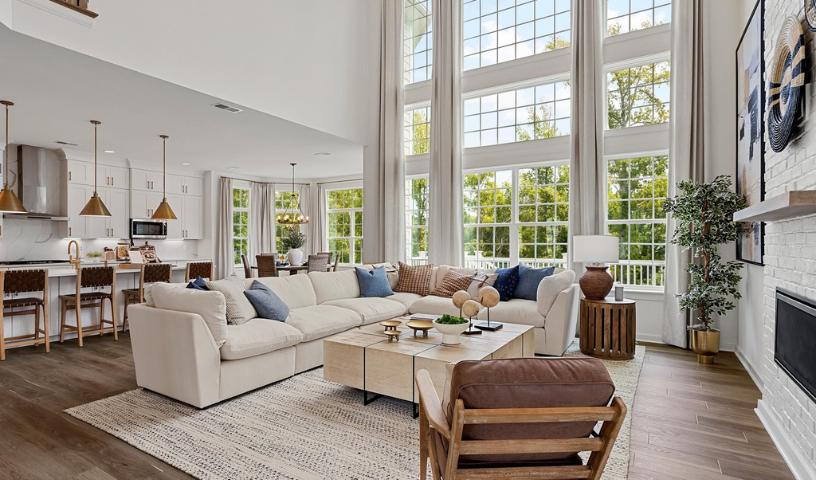
Homes with open living spaces, practical storage, and flexible rooms tend to appeal to a broader range of buyers. Features like a dedicated home office, main-level primary suite, or finished basement can add versatility without limiting future appeal.
When touring homes, ask yourself whether the layout would work for many different types of buyers, not just your current lifestyle.
Curb Appeal Creates a Strong First Impression
Before buyers ever walk through the front door, they've already started forming an opinion.
A well-maintained exterior, attractive landscaping, updated entryway, and clean appearance create confidence that the home has been cared for. While curb appeal alone won't determine a home's value, it often influences whether buyers are excited to see more.
The good news is that many curb appeal improvements are relatively affordable compared to larger renovations.
Storage Is More Valuable Than Many Buyers Realize
Storage isn't always the feature buyers mention first, but it's one they appreciate after moving in.
Walk-in closets, pantry space, garage storage, linen closets, and functional laundry areas all contribute to a home's everyday livability. Homes with limited storage can sometimes feel smaller than they actually are.
Avoid Overpersonalizing Expensive Updates
Everyone wants to make a house feel like home, but highly customized renovations don't always provide the best return on investment.
Luxury features that reflect a very specific personal style may not appeal to future buyers. Neutral finishes and timeless design choices generally have broader market appeal and can make selling easier when the time comes.
Think Beyond Today's Market
Real estate markets naturally change over time. Interest rates fluctuate, inventory rises and falls, and buyer preferences evolve.
While no one can predict exactly what the market will look like years from now, purchasing a home with lasting appeal helps reduce risk regardless of market conditions.
Rather than chasing short-term trends, focus on features that consistently attract buyers across different market cycles.
A Local Perspective Makes a Difference
Every community has its own unique characteristics.
For example, lakefront properties often attract a different buyer than suburban homes in St. Louis or family neighborhoods in Columbia. Historic homes in older communities may appeal to buyers looking for character, while newer developments often attract those seeking modern layouts and lower maintenance.
Working with an agent who understands these local markets can help you identify features that are consistently desirable in your specific area, rather than relying on national real estate advice that may not apply where you're buying.
Final Thoughts
No one buys a home expecting to sell it right away. Still, making thoughtful decisions today can pay off years down the road.
A home with a desirable location, functional layout, timeless features, and broad buyer appeal is often easier to sell and better positioned to retain its value over time.
Whether you're buying your first home, relocating, investing, or searching for a lake property, considering future resale value is one of the smartest ways to approach your purchase.
When you're ready to buy in St. Louis, the Metro East in Illinois, Jefferson City, Columbia, or the Lake of the Ozarks, working with a knowledgeable local real estate professional can help you find a home you'll enjoy today while keeping tomorrow in mind.
or another way