
Categories
Buying a Home, Home Maintenance, Investing in Real EstatePublished October 19, 2026
The Hidden Costs of Homeownership: 7 Expenses Buyers Should Plan for Beyond the Mortgage

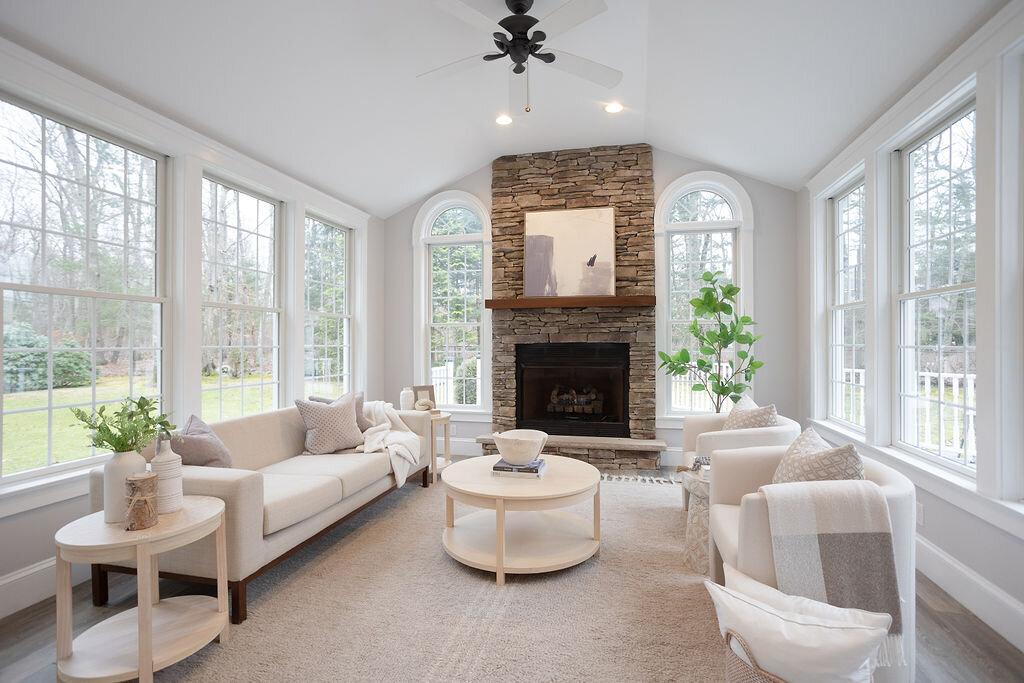
Buying a home is an exciting milestone, but the purchase price and monthly mortgage payment tell only part of the story. From utility bills and property taxes to unexpected repairs, homeownership comes with expenses that can catch buyers off guard if they aren't included in the budget from the beginning.
For buyers throughout St. Louis, Metro East, Jefferson City, Columbia, and the Lake of the Ozarks, understanding the full cost of owning a home is an important step toward making a confident, informed decision. A home should fit not only your lifestyle but also your finances long after moving day.
The good news? With thoughtful planning, you can prepare for these expenses without letting them overshadow the excitement of buying a home.
1. Property Taxes Can Change Your Monthly Budget
Property taxes are one of the most important expenses to understand before purchasing a home. The amount you pay can vary significantly based on the property's location, assessed value, applicable tax rates, and available exemptions.
Even homes with similar purchase prices can have different annual tax bills. In addition, a property's tax assessment may change over time, so buyers should not assume the current owner's tax bill will remain the same after the sale.
Before making an offer, review the property's current tax information and ask your real estate professional or lender how taxes will factor into your estimated monthly housing payment. If you are comparing homes in different communities, make sure you compare the complete cost of ownership rather than the purchase price alone.
2. Homeowners Insurance Is More Than a Box to Check
Homeowners insurance protects against certain covered losses, but premiums and coverage requirements vary by property, location, construction, and insurer.
A home near the water at the Lake of the Ozarks may have different insurance considerations than a home in a St. Louis subdivision or on acreage outside Jefferson City. Depending on the property, buyers may also need to consider additional coverage for risks that are excluded from a standard policy.
Before closing, obtain an insurance quote for the specific property. Ask about deductibles, exclusions, replacement-cost coverage, and whether separate flood or other specialty coverage may be appropriate. If you are purchasing a lake property, discuss any relevant requirements for docks, waterfront structures, and other improvements with your insurance provider.
Getting these answers early can help prevent an unpleasant surprise when your first premium comes due.
3. Maintenance Is a Recurring Expense, Not an Occasional Surprise
Every home requires upkeep. The age of the property, the condition of its major systems, the materials used in its construction, and the amount of maintenance performed by previous owners can all influence future costs.
Routine expenses may include HVAC servicing, gutter cleaning, landscaping, pest prevention, appliance maintenance, and minor plumbing or electrical repairs. Over time, larger components such as roofs, water heaters, heating and cooling systems, and exterior finishes will also need attention.
Rather than waiting for something to break, consider setting aside money each month specifically for home maintenance. The appropriate amount depends on the home's age, size, condition, and features, so there is no single savings target that works for every property.
A newer home may need fewer immediate repairs, but it is not maintenance-free. An older home may offer character and value, but its systems and materials deserve careful evaluation before you buy.
4. Utilities Can Be Different From What You Expect
Your monthly utility costs can change considerably when you move, even if your new home is similar in size to your previous one.
Insulation, window quality, ceiling height, heating and cooling equipment, and the age of major appliances all affect energy consumption. A home with large windows, multiple living areas, or additional finished space may have different heating and cooling needs than a smaller property.
Location and property type also matter. Rural homes may rely on propane, private wells, or septic systems, while other properties use municipal utilities. Lake homes and larger properties may have additional electricity, water, or outdoor maintenance costs.
When possible, ask the seller for recent utility bills or historical usage information. Keep in mind that consumption depends on the household's habits, so the previous owner's costs may not exactly match your own.
Understanding these expenses before closing can help you build a more realistic monthly budget.
5. Homeowners Association Fees and Special Assessments Deserve Attention
If you are considering a condominium, townhome, or property within a homeowners association, be sure to understand what the regular fees cover.
Association dues may pay for common-area maintenance, landscaping, exterior upkeep, amenities, insurance for shared structures, or other services. However, coverage varies by association, and some expenses may remain the homeowner's responsibility.
It is also important to understand the possibility of special assessments. If an association needs to fund a major repair or improvement and its available reserves are insufficient, owners may be required to contribute additional money.
Before purchasing, review the governing documents, budget, reserve information, meeting minutes, and any disclosed or anticipated assessments. Ask questions about upcoming projects and the association's financial health.
These details are especially important when evaluating a property with shared amenities or significant common infrastructure.
6. Moving In Often Costs More Than Moving Day
Even buyers who carefully calculate their mortgage and closing costs can underestimate the expense of settling into a new home.
You may need window coverings, furniture, lawn equipment, tools, storage solutions, or additional appliances. You might also want to paint rooms, change light fixtures, update hardware, or make other improvements to help the space feel like your own.
These purchases can add up quickly, particularly when several projects happen at once.
Before moving, separate necessary expenses from optional upgrades. Prioritize safety, functionality, and repairs that need immediate attention. Decorative changes and nonessential projects can often wait until you have lived in the home long enough to understand how you use the space.
You do not have to finish every project in the first month to make your house feel like home.
7. Location Can Influence Your Total Cost of Living
A home's location affects more than its property taxes and insurance. It can also influence transportation expenses, commute times, access to services, and the cost of maintaining the property.
For example, a home outside Jefferson City or Columbia may offer more land and privacy, but it could require additional driving or equipment for property upkeep. A home in the St. Louis metro area may provide convenient access to employment, shopping, and entertainment, depending on the neighborhood. At the Lake of the Ozarks, buyers may need to account for waterfront upkeep, dock maintenance, or other property-specific expenses.
None of these factors automatically makes one location a better choice than another. The goal is to understand how the home fits into your everyday life and your long-term financial plans.
When comparing properties, consider the complete picture: housing costs, transportation, maintenance, lifestyle, and the features that matter most to you.
How to Build a More Realistic Homeownership Budget
Before purchasing a home, take time to create a budget that goes beyond your estimated mortgage payment.
Start with your recurring housing expenses, including principal and interest, property taxes, homeowners insurance, mortgage insurance if applicable, association dues, and utilities. Then account for maintenance savings, potential major repairs, and the initial expenses associated with moving in.
It can also help to maintain an emergency fund separate from your regular maintenance budget. Unexpected expenses do not always arrive at convenient times, and having accessible savings can make them easier to manage.
Finally, talk with the professionals involved in your purchase. Your lender can help explain your financing and estimated payment, your insurance agent can discuss coverage and premiums, and your real estate professional can help you identify property-specific questions to investigate before closing.
The goal is not to predict every future expense. It is to enter homeownership with a clear understanding of the costs you can anticipate and a plan for the ones you cannot.
The Bottom Line
Buying a home is about more than qualifying for a mortgage. It is about choosing a property you can comfortably afford while still making room for savings, everyday expenses, and the life you want to live.
Whether you are purchasing your first home, moving to a different neighborhood, downsizing, or exploring a property at the Lake of the Ozarks, taking time to understand the full financial picture can help you make a decision that serves you well for years to come.
At TRG Homes, we believe informed buyers make more confident decisions. Real estate is not just about finding a property. It is about understanding your options, asking the right questions, and finding a home that fits your goals.
Let's Talk About Your Plans
If you are thinking about buying or selling in St. Louis, Metro East, Jefferson City, Columbia, or the Lake of the Ozarks, having the right information can make all the difference. Whether you are just beginning to explore your options or are ready to take the next step, we would love to help you navigate the process.
A well-informed move starts with a good conversation.
or another way