
Categories
Buying a HomePublished August 19, 2026
What Does “Move-In Ready” Really Mean When Buying a Home?

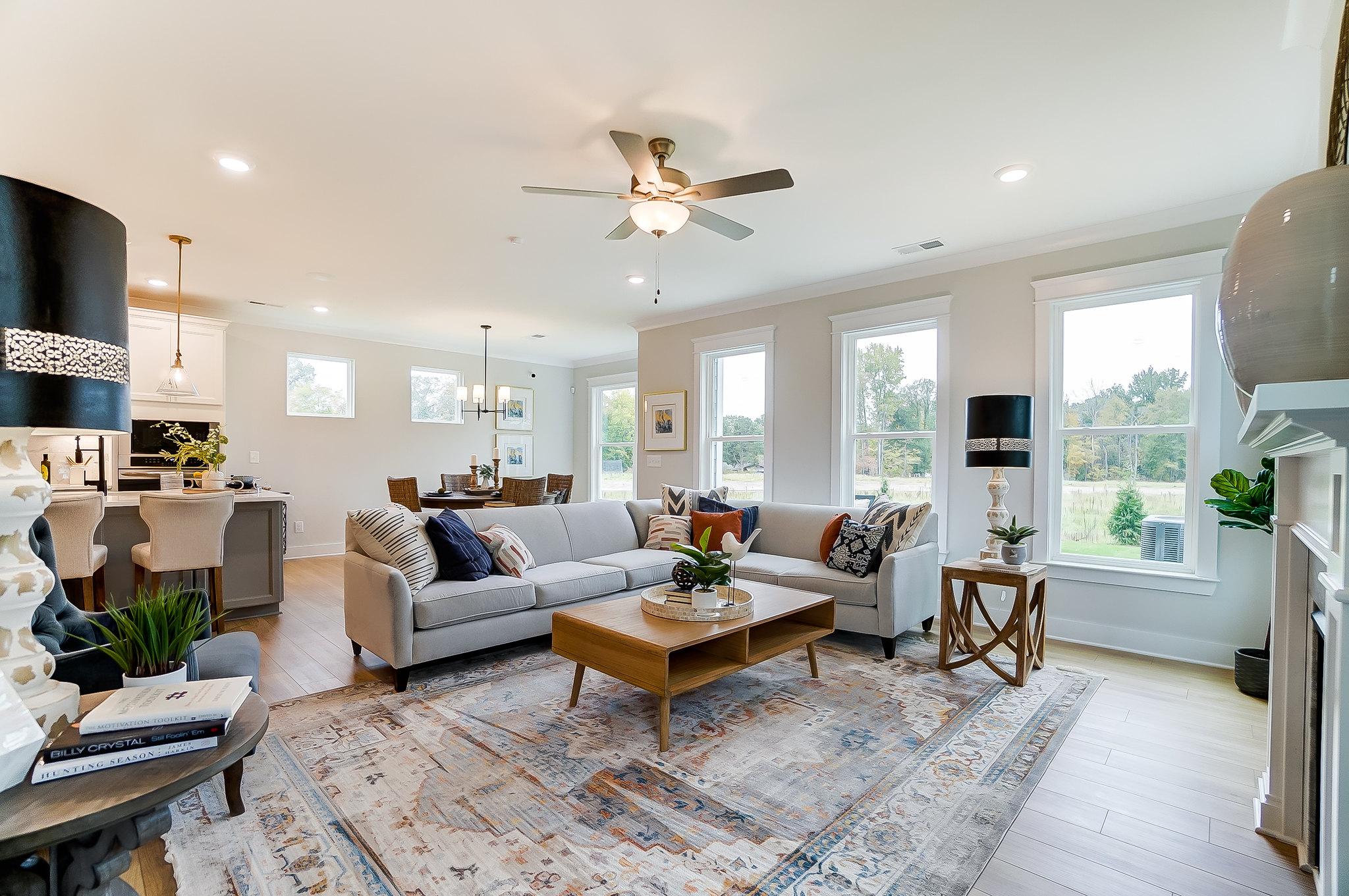
When a listing says a home is “move-in ready,” most buyers assume that means they can close, unpack their boxes, and start enjoying the house without immediately tackling a long list of projects.
But “move-in ready” doesn’t have one universal definition.
In real estate, the phrase is often used to describe a home that appears well-maintained, updated, clean, and ready for a new owner. That can be helpful, but it’s also subjective. A home can look beautiful in photos and still have items a buyer should investigate before making an offer.
Whether you’re buying in St. Louis, the Metro East, Jefferson City, Columbia, Lake of the Ozarks, or the surrounding Central Missouri and Illinois communities, understanding what “move-in ready” really means can help you make a more informed decision.
What Buyers Usually Expect From a Move-In Ready Home
A truly move-in-ready home will generally have the major components of the property functioning as expected and won't require significant work before you can comfortably live there.
That doesn't necessarily mean everything is brand new.
A move-in-ready home might have:
- A functional heating and cooling system
- Working plumbing and electrical systems
- A roof that is in reasonable condition
- Functional windows and exterior doors
- Safe, usable stairs, railings, and walkways
- Appliances that are included and functioning as represented
- No obvious major water intrusion or structural concerns
- Clean, usable living spaces
- Kitchens and bathrooms that are functional
- Cosmetic finishes that are in reasonably good condition
It may still have an older kitchen, dated flooring, or paint colors you don't love.
Move-in ready doesn't have to mean completely updated.
That distinction is important because buyers sometimes confuse a beautifully renovated house with a house that is simply ready to occupy.
Cosmetic Updates Are Different From Major Repairs
One of the best questions to ask yourself when touring a home is:
“Would I dislike this, or would I be unable to live with this?”
Those are two very different things.
You might dislike:
- Oak cabinets
- Older countertops
- Carpet
- Wallpaper
- Dated light fixtures
- A color you wouldn't have chosen
- Older bathroom finishes
Those items may affect the home's appearance, but they aren't necessarily reasons to walk away from a property.
On the other hand, concerns involving the roof, foundation, electrical system, plumbing, HVAC, drainage, or significant moisture issues can potentially involve much larger expenses.
Knowing the difference can help buyers avoid overlooking a great home simply because it isn't decorated in the latest style, while also preventing them from assuming a beautifully staged home has no underlying concerns.
Don't Let Staging Define the Condition of the Home
Staging and professional photography can make a tremendous difference in how a property looks online.
That's a good thing.
But buyers should remember that presentation and condition are two separate things.
A beautifully decorated home can still have an aging roof. A freshly painted house can still have an older HVAC system. New flooring doesn't necessarily tell you anything about the condition of the plumbing underneath it.
When you're touring a property, look beyond the furniture and finishes.
Pay attention to the overall age and maintenance of the home. Ask questions. Look at the major systems. And when you're under contract, take the appropriate steps to investigate the property's condition.
What About Older Homes?
This is especially important in established communities where many homes were built decades ago.
An older home isn't automatically a bad home.
In fact, older homes can offer larger lots, established neighborhoods, mature trees, unique architecture, and character that newer construction doesn't always provide.
But age matters when you're evaluating potential maintenance and replacement costs.
A buyer should consider questions such as:
- How old is the roof?
- How old is the HVAC system?
- When was the electrical system last updated?
- What type of plumbing does the home have?
- Are there signs of previous water intrusion?
- How old are the windows?
- Has the foundation had previous repairs?
- What improvements have the current owners made?
- Are there warranties or documentation available?
The goal isn't to find a house where nothing will ever need to be repaired.
The goal is to understand what you're buying.
“Move-In Ready” Doesn't Mean “Maintenance-Free”
Every home requires maintenance.
Even a brand-new home can eventually need HVAC servicing, gutter cleaning, plumbing repairs, landscaping, appliance replacement, and other routine upkeep.
Buyers should build a realistic maintenance budget into their overall homeownership plan.
It's also wise to think beyond the monthly mortgage payment when comparing properties. Two homes with similar purchase prices can have very different future maintenance needs depending on their age, size, construction, and existing systems.
This is one reason having an experienced real estate professional in your corner can be valuable. A good agent can help you identify questions to ask, understand information provided by the seller, and evaluate how a property fits into your overall plans.
Should You Avoid a Home That Needs Some Work?
Not necessarily.
Sometimes a home that needs cosmetic updates can actually be an excellent opportunity.
If the flooring is dated but the roof and mechanical systems are in good condition, you may be looking at a very different situation than a house that has beautiful finishes but requires major repairs.
For some buyers, a home that needs cosmetic improvements may also provide an opportunity to build equity over time.
The important thing is to understand what work is needed, what it may cost, and whether you're comfortable taking it on.
A Smart Way to Think About “Move-In Ready”
Instead of asking whether a home is perfect, consider asking these three questions:
1. Can I comfortably live here now?
If the answer is yes, cosmetic improvements can potentially happen over time.
2. What major expenses could be coming?
Knowing the approximate age and condition of major systems can help you prepare for future costs.
3. Does the home fit my budget after closing?
Don't spend every dollar you have getting to the closing table. Leaving yourself an emergency and maintenance cushion can make homeownership much less stressful.
Your Definition of “Ready” Matters
The right home doesn't have to be the newest, most updated, or most perfectly decorated property on the market.
For one buyer, move-in ready might mean “I don't have to change a thing.”
For another, it might mean “I can move in comfortably and update things one room at a time.”
Neither approach is wrong.
The key is knowing the difference between a home that simply needs your personal style and one that may require significant investment before it truly feels comfortable.
Whether you're purchasing your first home, moving up, downsizing, buying an investment property, or purchasing a second home at the Lake, having someone who understands both the property and the local market can help you make decisions based on more than what you see in the listing photos.
Looking for a home that fits your plans?
If you're buying or selling in St. Louis, the Metro East, Jefferson City, Columbia, Lake of the Ozarks, or the surrounding areas, we're here to help you look beyond the listing description and understand the bigger picture.
Because “move-in ready” should mean more than a pretty photo. It should mean a home that makes sense for you.
or another way