
Categories
Buying a HomePublished June 29, 2026
What Every Homebuyer Should Know About Property Easements Before Making an Offer

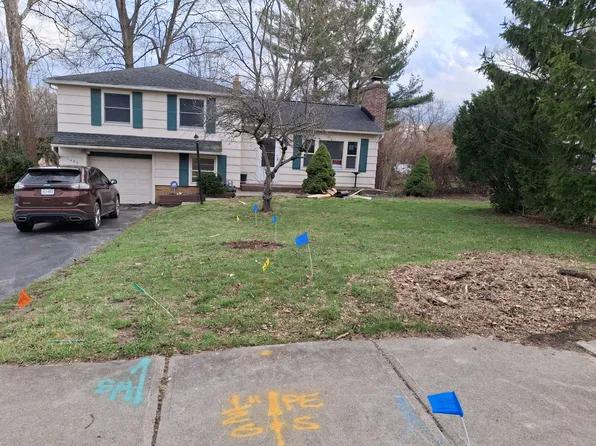
Buying a home is exciting, but it is also a legal transaction involving much more than the house itself. One detail that many buyers overlook is whether the property has any easements. While easements are common and often harmless, understanding them before closing can help you avoid unexpected surprises after moving in.
What Is a Property Easement?
A property easement is a legal right that allows another person, company, or government entity to use a portion of a property for a specific purpose, even though someone else owns the land.
Easements do not usually prevent you from enjoying your property, but they can affect what you are allowed to build or where improvements can be placed.
Common Types of Easements
Some of the most common easements include:
Utility Easements
Utility companies often have the right to access portions of a property to maintain power lines, water lines, sewer systems, gas lines, or communication cables.
Drainage Easements
These areas allow water to flow properly during heavy rain and help prevent flooding. Building permanent structures in these locations is often prohibited.
Shared Driveway Easements
In some neighborhoods, neighboring properties share a driveway. An easement outlines each owner's rights and responsibilities regarding its use.
Access Easements
These allow someone to cross another property to reach a road, another parcel, or a public area.
Why Easements Matter to Buyers
Most easements are routine and do not create problems. However, they can influence future plans for the property.
For example, if you hope to install:
- A swimming pool
- A detached garage
- A large storage shed
- A fence
- A room addition
An existing easement could limit where those improvements can be built.
Knowing this before closing helps buyers make informed decisions rather than discovering restrictions later.
How to Find Out if a Property Has Easements
Fortunately, buyers are not expected to research this alone.
Several documents may identify easements, including:
- The title commitment
- The property survey
- County land records
- HOA documents, if applicable
Your real estate agent, title company, and lender all play important roles in helping you understand these documents before closing.
Should Easements Be a Deal Breaker?
In most cases, no.
Many homes have utility or drainage easements that homeowners never think about after moving in. The key is understanding how the easement affects your intended use of the property.
If you have specific plans for landscaping, adding outdoor living space, or building additional structures, discussing those goals with your real estate agent early in the process can help identify any concerns before you purchase.
The Bottom Line
Buying a home involves more than choosing the right floor plan or neighborhood. Taking time to understand legal details like property easements can help protect your investment and give you confidence in your decision.
An experienced real estate professional can help explain the documents, answer your questions, and connect you with the appropriate experts when needed. The more informed you are before closing, the fewer surprises you are likely to encounter after moving into your new home.
or another way