
Categories
Buying a Home, Equity, Selling a Home, Investing in Real EstatePublished August 17, 2026
What Helps a Home Hold Its Value? 7 Things Missouri Homeowners Should Know

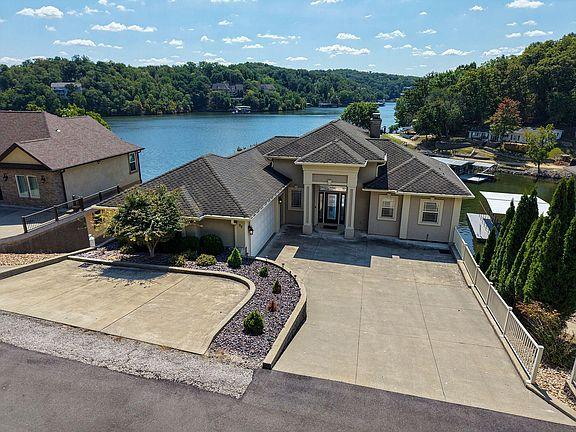
When you buy a home, it’s easy to focus on what you love about it today: the kitchen, the backyard, the extra bedroom, or the neighborhood where you can picture yourself settling in.
But a home is also one of the largest financial investments most people will make. That makes another question important: What will help this home hold its value five, ten, or even twenty years from now?
There is no way to guarantee what a property will be worth in the future. Real estate values are influenced by interest rates, inventory, employment, economic conditions, buyer demand, and countless other factors.
However, some characteristics consistently make a property more appealing to future buyers.
As real estate professionals serving St. Louis, the Metro East in Illinois, and Central Missouri, including Jefferson City, Columbia, and the Lake of the Ozarks, we see firsthand how much local market conditions can influence a property's desirability.
Here are seven factors homeowners and buyers should consider.
1. Location Still Matters More Than Almost Anything Else
You can change a kitchen. You can replace flooring. You can paint the walls.
You can't move the house.
Location is one of the most important factors influencing long-term value because buyers aren't simply purchasing a structure. They're purchasing access to a community and everything around it.
Depending on the market, buyers may prioritize:
- Proximity to employment centers
- School districts
- Shopping and restaurants
- Parks and recreation
- Major highways
- Hospitals and healthcare
- Entertainment
- Waterfront access
- Neighborhood amenities
And "good location" can mean something different from one market to another.
A property near employment and major transportation routes may have strong appeal in the St. Louis area. At the Lake of the Ozarks, proximity to the water, views, boating access, and amenities can play a much larger role. In Jefferson City and Columbia, proximity to employment, education, healthcare, and everyday conveniences may be especially important.
The best location is ultimately the one that consistently attracts the type of buyers who want to live in that particular area.
2. Functional Floor Plans Tend to Outlast Trends
Real estate trends change.
Open-concept homes became extremely popular. Then buyers began looking for dedicated offices, flex spaces, and areas that provide separation and privacy.
The lesson isn't that one particular floor plan will always win.
It's that functionality matters.
A beautiful home can become difficult to sell if the layout doesn't work for modern buyers. Buyers tend to notice whether a home has adequate storage, usable bedrooms, practical living spaces, and a layout that makes everyday life easier.
Before making a major renovation, homeowners should ask:
"Am I improving this house for the next buyer, or am I simply making it more expensive?"
A renovation can absolutely add value, but the most expensive option isn't automatically the most valuable one.
3. Maintenance Can Protect Your Investment
One of the least glamorous aspects of homeownership can also be one of the most financially important: maintenance.
Roofs, HVAC systems, plumbing, electrical systems, windows, siding, drainage, and other major components eventually require attention.
Deferred maintenance can become especially noticeable when it is time to sell.
A buyer who sees multiple major repairs on the horizon may factor those costs into their offer. Even if the home's cosmetic finishes are beautiful, expensive underlying problems can affect its marketability.
That doesn't mean homeowners need to replace everything before selling.
Instead, keeping up with routine maintenance can help prevent small issues from becoming expensive problems.
A well-maintained home is easier to market, easier to show, and often easier for a buyer to feel confident purchasing.
4. Don't Over-Improve for the Neighborhood
One of the biggest mistakes homeowners can make is assuming every renovation will pay for itself.
Imagine a neighborhood where most homes have moderately updated kitchens. A homeowner spends $80,000 creating a luxury kitchen with custom cabinetry, high-end appliances, and finishes far beyond anything else nearby.
The kitchen may be gorgeous.
But the homeowner may not recover that entire investment when selling.
That's because real estate value is influenced by the surrounding market.
Before investing heavily in a renovation, consider the homes around you and the expectations of buyers in your price range.
This is particularly important when making decisions about:
- Luxury finishes
- Pools
- Additions
- Outdoor kitchens
- Basement renovations
- High-end appliances
- Custom landscaping
The goal isn't to make your home the most expensive house on the block.
The goal is to make improvements that make sense for the property and its market.
5. Outdoor Space Can Be a Major Selling Feature
Outdoor living has become an increasingly important part of how buyers think about a home.
That doesn't necessarily mean spending tens of thousands of dollars on elaborate landscaping.
Sometimes the most valuable improvements are relatively simple:
- A well-maintained deck or patio
- A usable backyard
- Attractive landscaping
- Good outdoor lighting
- Privacy
- A functional porch
- A fire pit or gathering area
- Easy access between indoor and outdoor spaces
At the Lake of the Ozarks, outdoor features can take on an entirely different level of importance. Waterfront access, views, docks, patios, decks, and outdoor entertaining spaces may be central to a property's appeal.
The right outdoor improvement depends heavily on where the property is located and what buyers in that market expect.
6. Energy Efficiency Can Influence Long-Term Appeal
Today's buyers are increasingly conscious of the ongoing cost of owning a home, not just the purchase price.
Features that can contribute to energy efficiency may include:
- Updated windows
- Proper insulation
- Efficient HVAC equipment
- Smart thermostats
- Energy-efficient appliances
- Good air sealing
- Modern lighting
- Solar improvements where appropriate
Energy efficiency isn't necessarily about adding the newest technology to your home.
Often, it comes down to maintaining the home's basic systems and preventing unnecessary energy loss.
For homeowners considering an upgrade, it's worth thinking about both the potential savings while you own the home and whether the improvement will make the property more appealing when you eventually sell.
7. The Neighborhood Can Matter as Much as the House
A great house in a neighborhood buyers don't want may struggle to command the same price as a comparable house in a highly desirable area.
Buyers pay attention to more than the four walls surrounding them.
They notice:
- Neighboring properties
- Traffic
- Noise
- Development
- Amenities
- Walkability
- Community appearance
- Future growth
- Nearby commercial activity
This is one reason real estate is so local.
A strategy that makes sense for a homeowner in St. Louis may not make sense for someone at the Lake of the Ozarks. Likewise, what buyers prioritize in Jefferson City or Columbia can differ from what buyers are looking for in the Metro East.
What Should You Prioritize Before Buying or Selling?
If you're buying a home, don't just ask:
"Do I love this house?"
Also ask:
"Will other buyers likely love the things I'm paying for?"
If you're selling, don't automatically assume you need to complete a major renovation.
Instead, consider:
- What condition is the home currently in?
- What do comparable homes in the area offer?
- Which improvements are most noticeable to buyers?
- What repairs could create negotiating issues?
- What improvements make sense for the neighborhood?
- What does the current market actually reward?
This is where local real estate expertise can make a meaningful difference.
Real Estate Is Local, Really Local
A national real estate headline can provide useful context, but it doesn't tell you everything you need to know about your particular property.
The factors affecting a home in St. Louis aren't necessarily the same factors affecting a home in Jefferson City. A lake property may be evaluated very differently from a suburban home in the Metro East.
That's why we believe good real estate advice starts with understanding the specific market, neighborhood, property, and buyer pool.
Whether you're thinking about buying your first home, preparing to sell, investing in property, or simply wondering what your current home might be worth, understanding the factors that influence value can help you make smarter decisions.
Thinking About Your Next Move?
If you're considering buying or selling in St. Louis, the Metro East, Jefferson City, Columbia, the Lake of the Ozarks, or surrounding areas, we'd be happy to help you look beyond the listing price and understand the bigger picture.
Real estate isn't just about finding a house.
It's about making a decision that makes sense for your life and your financial goals.
or another way