
Categories
Buying a Home, Home Maintenance, Investing in Real EstatePublished July 3, 2026
Why Utility Costs Should Be Part of Every Home Buying Decision

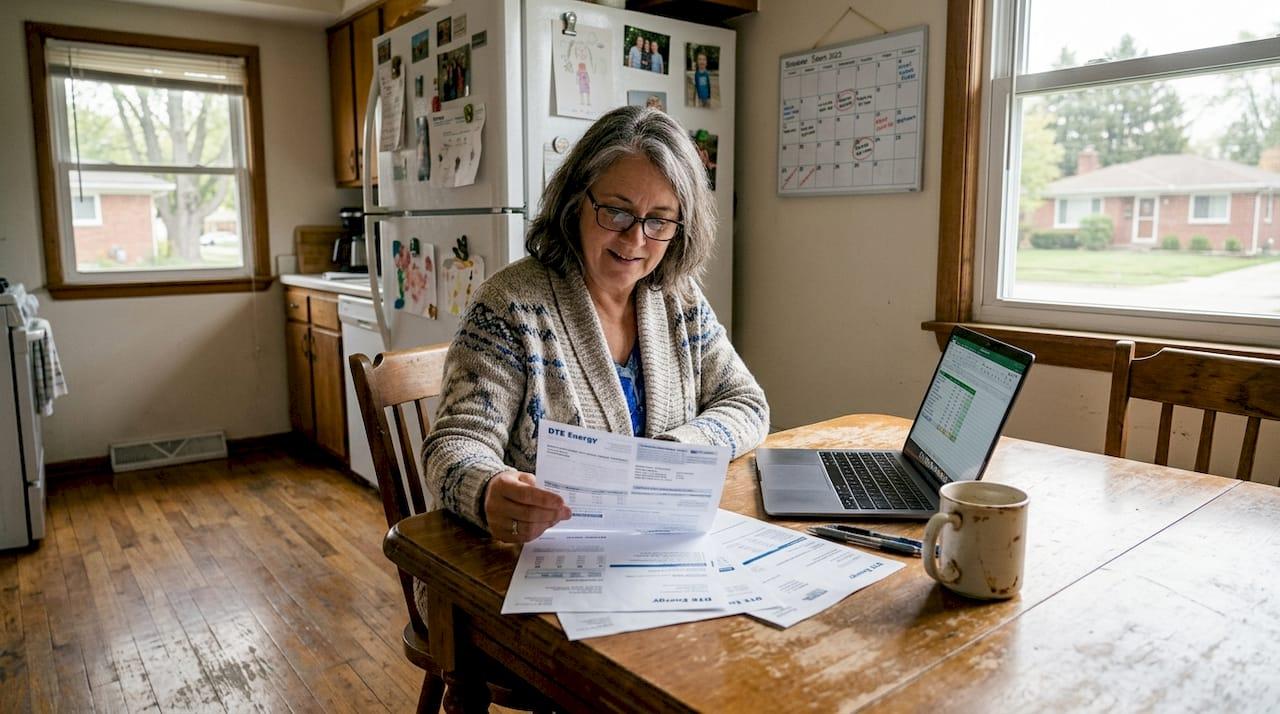
When buyers compare homes, they often focus on the purchase price, monthly mortgage payment, and the home's appearance. While those are important factors, there is another expense that deserves just as much attention: the ongoing cost of owning the home.
Utility bills can vary significantly from one property to another. A home with a lower purchase price is not always the less expensive home to own over time. Looking beyond the listing price can help buyers make a more informed financial decision and avoid surprises after moving in.
Every Home Has a Different Cost to Operate
Two homes with similar square footage can have dramatically different monthly utility costs. The difference often comes down to factors that are easy to overlook during a showing.
Some of the biggest contributors include:
- The age and efficiency of the HVAC system
- The quality of insulation in the attic and walls
- The age and condition of the windows and exterior doors
- The type of water heater
- The home's orientation to the sun
- Whether appliances are newer energy-efficient models
These features may not be as exciting as a remodeled kitchen, but they can affect your budget every month you own the home.
Ask Questions Before You Write an Offer
One of the simplest ways to better understand a home's operating costs is to ask the seller a few additional questions.
Consider requesting information about:
- Average electric bills
- Average gas bills
- Water and sewer costs
- Trash service
- Internet providers available in the area
- Any recent energy-efficient upgrades
While utility costs can vary depending on personal usage, previous bills often provide a helpful estimate.
Older Homes Can Still Be Great Investments
A higher utility bill does not automatically mean you should avoid an older home.
Many historic and established neighborhoods offer charm, larger lots, mature trees, and quality construction that buyers appreciate. Instead, understand what improvements may be needed over time and budget accordingly.
In many cases, replacing attic insulation, sealing air leaks, or upgrading an HVAC system can significantly improve efficiency without requiring a complete renovation.
Think Beyond the First Year
Buying a home is a long-term investment. Looking ahead five or ten years can provide a better picture of affordability than focusing only on today's purchase price.
For example, a home with newer mechanical systems may require fewer repairs and lower utility costs during the first several years of ownership. That can help offset a slightly higher purchase price.
On the other hand, a home that needs multiple efficiency upgrades may still be an excellent purchase if those improvements fit within your long-term budget.
Work With Someone Who Looks at the Full Picture
Helping buyers find the right home means discussing more than bedrooms and bathrooms. An experienced real estate professional should help you evaluate the complete cost of homeownership, including maintenance expectations, utility expenses, property taxes, insurance, and future improvements.
Every buyer's financial situation is unique. Understanding all of the costs involved allows you to purchase with greater confidence and fewer unexpected expenses after closing.
The goal is not simply to buy a house. It is to buy a home that fits both your lifestyle and your budget for years to come.
or another way